Where Pipes Freeze First in a Maryland Winter (and What to Do About It)
The ten minutes after you find a frozen pipe matter more than anything that happens before it.
September 15, 2026 · 4 min read
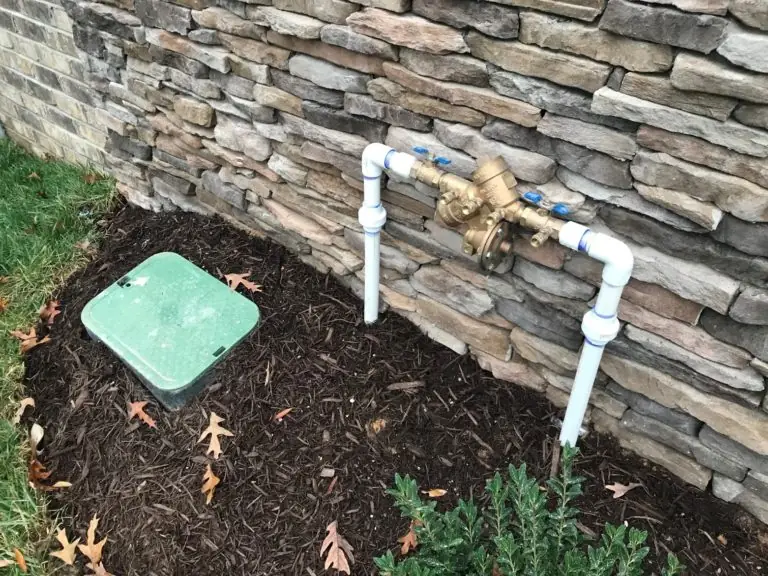
Maryland winters do not stay cold in a straight line. A week of hard frost gets followed by a warm stretch, then another freeze, and it is that back and forth that does the real damage to a home's plumbing. Pipes that would be fine in a steady cold climate get caught off guard here, especially in older houses around Pasadena and the rest of Anne Arundel County where some of the plumbing was never insulated for the kind of repeated freeze and thaw we actually get.
The pipes that freeze first
Not every pipe in a house is at equal risk. The ones that freeze first are almost always the ones running through spaces that are not heated the same way the living areas are.
- Pipes along exterior walls, especially on the north side of the house
- Anything in a crawl space, particularly if the vents were left open
- Lines in an unheated garage or basement corner
- Attic runs near soffits or eaves
- Outdoor hose bibs and the pipe feeding them from inside
If your house has any of these, they are worth a walk-through before the first hard freeze of the season, not after.
The warning signs before a pipe actually bursts
A pipe rarely goes from fine to burst with no notice. The signs are just easy to miss if you are not looking for them. A faucet that used to run strong and now trickles is often the first sign that ice is forming somewhere upstream. Frost on an exposed section of pipe, a section of wall or floor that is colder than the rest of the room, or a faint metallic smell near a fixture that has not been used in a while are all worth paying attention to.
None of these mean the pipe has burst yet. They mean it is close, and that is exactly the point where a few minutes of attention can save you from a much bigger problem.
What to do the moment you suspect a frozen pipe
If you turn on a tap and get little or nothing, do not wait it out.
- Leave the faucet open. A trickle of water moving through the line, even slowly, helps prevent the ice from expanding into a full blockage
- Add heat to the area if you can, a space heater aimed at an exposed section, or simply opening a cabinet door under a sink so warm room air can reach the pipe
- Do not use an open flame or anything that could scorch the pipe or the surrounding wall to try to thaw it yourself
- If you see or hear water where there should not be any, shut off the main and call for help immediately
Find and label your main shutoff before winter, not during it
The single most useful thing you can do before the cold weather sets in has nothing to do with the pipes themselves. It is knowing exactly where your main shutoff valve is, confirming it still turns, and making sure everyone in the house knows where it is too. In an actual burst, the difference between finding that valve in ten seconds and hunting for it in the dark with water running is the difference between a wet floor and a ruined ceiling below it.
What a burst pipe actually costs you
It is tempting to treat a slow drip or a frozen line as something to deal with once it becomes a real problem. The trouble is that a burst does not announce itself politely. Once a frozen section splits, the water behind it is under full house pressure, and it keeps flowing until someone shuts the main or the leak is found. Water damage spreads fast through drywall, flooring, and insulation, and it is almost always more disruptive to repair than the plumbing fix that would have prevented it. A repaired pipe is a plumbing job. A burst pipe is a plumbing job plus flooring, drywall, and sometimes weeks of drying out a space before anyone can use it again.
A short checklist before the next cold snap
- Disconnect and drain garden hoses, and shut off any exterior hose bib supply if yours has one
- Open cabinet doors under sinks on exterior walls during a hard freeze
- Keep the house at a consistent temperature overnight instead of turning the heat down low
- Know where your main shutoff is and confirm it turns freely
- Check crawl space vents and close any that should be closed for winter
When it is time to call
Some of this you can handle yourself with a few minutes of preparation. A pipe that has already frozen, one that will not thaw with simple heat, or any sign of an actual leak is where it makes sense to bring in a licensed plumber rather than guess. Chesapeake Plumbing offers emergency service including weekends, and same-day or next-day appointments whenever possible, so you are not stuck waiting out a cold snap with water shut off to half the house. A quick call to (443) 264-4688 is usually faster, and safer, than trying to fix a freeze yourself in the middle of a storm.
Chesapeake Plumbing, Inc, (443) 264-4688
Call (443) 264-4688More articles
Signs Your Sewer Line Is Failing, Not Just One Drain
When more than one fixture backs up at once, the problem usually is not the fixture.
How Long a Water Heater Actually Lasts, and How to Tell Yours Is Near the End
Most water heaters give you warning before they fail. The trick is knowing what to look and listen for.